BTA2023
 Timi Oke, co-founder and CEO of AgroEknor, is spearheading efforts to turn Nigeria’s rich agricultural resources into global success stories. The company’s flagship product, dried hibiscus flowers, is already making waves in international markets, including the United States, Mexico, and Europe. But for Oke, this is just the beginning.
“We focus on commodities where no major player dominates,” he explains. “Our priority is niche markets where leadership is up for grabs.”
A New Focus: Fonio, the Ancient Super Grain
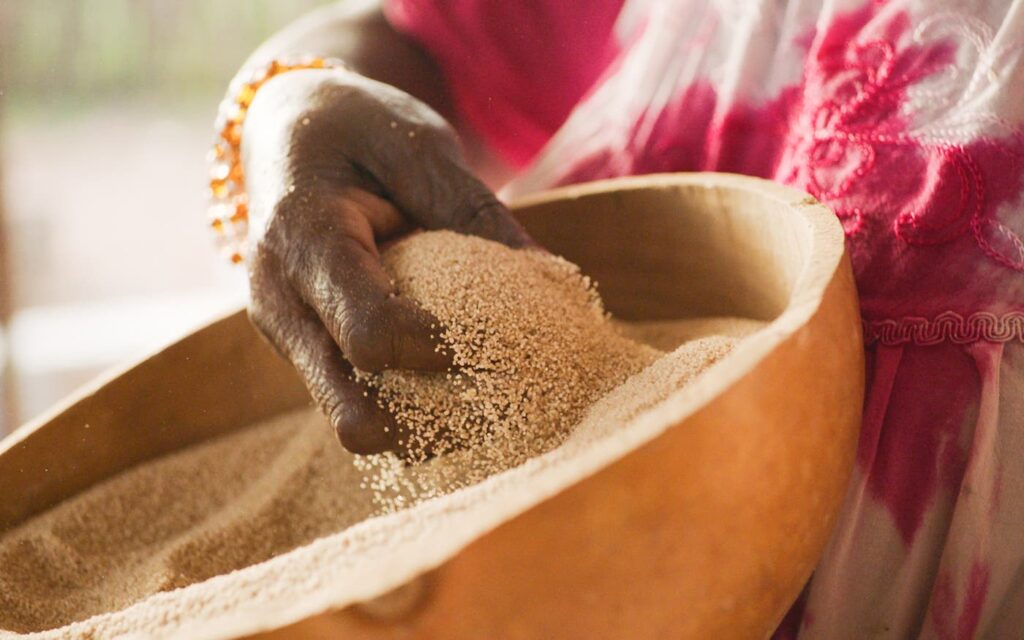
One crop capturing Oke’s enthusiasm is fonio, a drought-resistant, gluten-free grain packed with nutritional benefits. Cultivated in West Africa for thousands of years, fonio remains an under-commercialized treasure.
“We became interested in fonio as an additional crop for hibiscus farmers,” Oke shares. “It’s incredibly resilient—you don’t need fertilizers, and it grows in almost any soil. You can literally throw the seeds on the ground, and they’ll thrive.”
Fonio’s potential is gaining global recognition. Bill Gates recently highlighted its benefits, and Carlsberg has even developed a beer brewed exclusively from fonio grains. European markets are beginning to show increased demand for the grain, yet AgroEknor sees its biggest opportunity domestically.
“We’re looking at fonio as a rice substitute in Nigeria,” says Oke. “Nigeria imports a lot of rice, which isn’t sustainable. Fonio could be a practical and healthier alternative.”
However, fonio’s labor-intensive processing, especially the dehusking stage, remains a challenge. Despite this, AgroEknor is optimistic about its future role in transforming local diets and reducing reliance on imports.
Exploring New Frontiers
Oke’s vision isn’t limited to Nigeria’s borders or its traditional crops. He sees potential in sisal, a cactus-like plant whose fibers are used in everything from ropes and bags to car parts and construction materials. AgroEknor has dabbled in research and development for sisal but found that turning it into a profitable business would require significant investment in industrial manufacturing.
For now, the company has put sisal on the back burner, opting to concentrate on more immediately viable opportunities.
AgroEknor has also tested the waters in ginger trading, leveraging its network to supply global markets. However, the ginger value chain is dominated by a few major players. “Eighty percent of the market is controlled by established giants,” Oke admits. “While we occasionally trade ginger opportunistically, it’s not a value chain we’re actively building for the long term.”
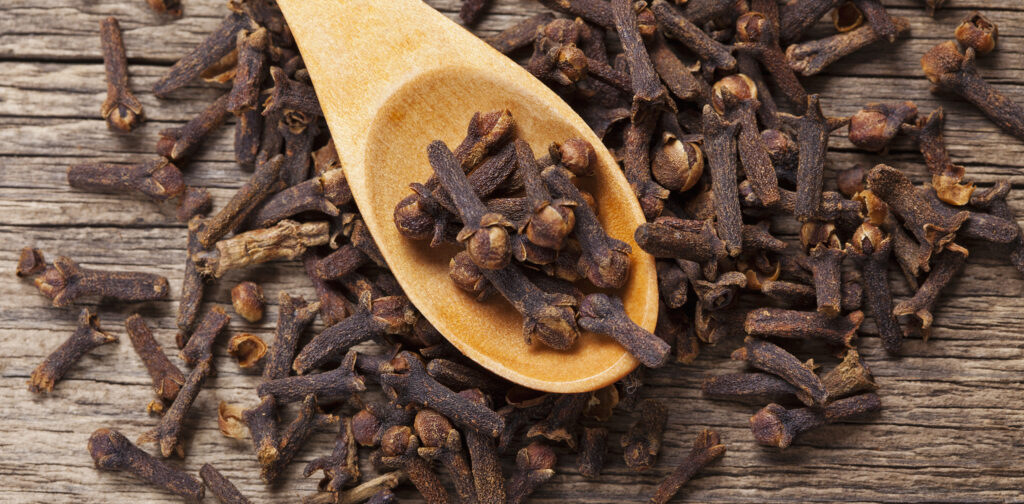
Looking beyond Nigeria, AgroEknor is exploring high-value crops like cloves, a spice grown in other African countries. “Cloves have significant demand in global markets,” Oke notes, highlighting AgroEknor’s interest in expanding its footprint across the continent.
A Vision for African Agriculture
Oke’s strategy for AgroEknor is clear: identify untapped opportunities, build efficient value chains, and create sustainable solutions for farmers and markets alike. His focus on niche products like hibiscus, fonio, and cloves reflects a broader ambition to position African agriculture on the global stage.
By championing innovation and adaptability, Oke and AgroEknor are paving the way for a new era in African agribusiness—one where local crops find global audiences, and the continent’s agricultural potential is fully realized.