BTA2023
 Cassava, one of Nigeria’s most consumed crops, is no longer just a staple food—it’s fast becoming a multi-billion-dollar industrial resource.
Beyond garri and fufu, cassava is used to produce:
- Industrial starch (used by companies like Nestlé)
- Ethanol and glucose syrup
- Gluten-free flour for the health market
- Packaging materials like cardboard
This transformation is opening massive opportunities in agribusiness, manufacturing, and exports.
The Entrepreneur Who Saw the Opportunity
At the center of this shift is Yemisi Iranloye, founder of Psaltry International.
At age 40, she made a bold move—quitting her job to build a cassava processing business from scratch.
Her breakthrough came in 2013 when Nestlé became her first major client, validating her product quality and opening doors to clients like Unilever and Nigerian Breweries.
Building a Rural Industrial Powerhouse

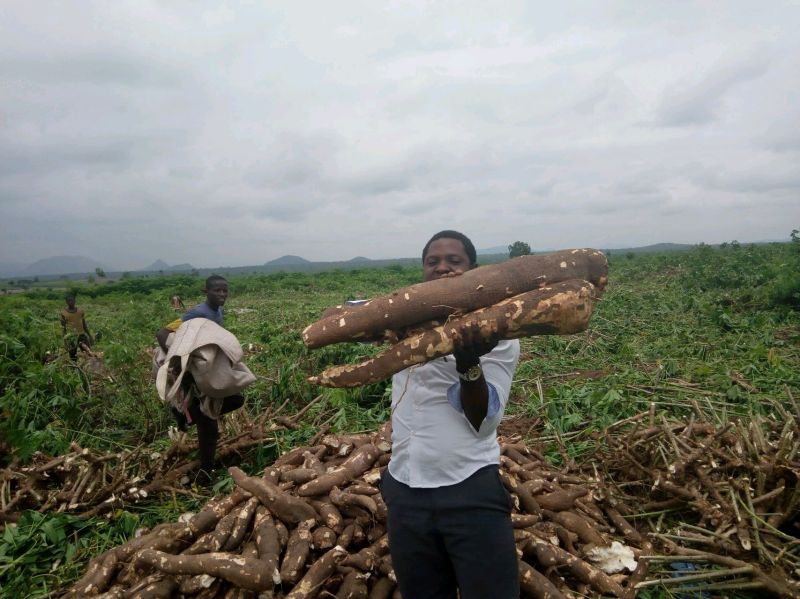
Iranloye’s strategy was simple but powerful: build close to farmers.
Because cassava spoils quickly, locating her factory in rural areas allowed:
- Faster processing
- Higher-quality starch
- Stronger farmer partnerships
Today, Psaltry works with over 16,000 smallholder farmers, creating a scalable supply chain model.
Scaling Beyond Starch
The business didn’t stop at starch.
- 2015: Expansion into cassava flour
- 2022: Launch of a sorbitol plant (used in toothpaste and oral care products)
This move reduced Nigeria’s dependence on imports and positioned Psaltry in high-value manufacturing.
Challenges That Shaped the Business
Building in a rural area came at a cost:
- No electricity → reliance on generators
- Poor roads → self-funded infrastructure
- Water shortages → borehole investments
Yet, these challenges became competitive advantages, creating barriers for new entrants.
The Bigger Business Opportunity
Iranloye believes cassava is just the beginning.
She highlights other untapped agribusiness opportunities:
- Sweet potatoes (high starch, gluten-free potential)
- Coconuts (multiple revenue streams across industries)
With rising forex pressures in Nigeria, more companies are shifting to local sourcing, boosting demand for agro-processed inputs.
Key Entrepreneurship Lessons
Her journey offers clear business insights:
- Start before you’re ready – clarity comes with action
- Location can be a strategy – proximity to raw materials matters
- Think industrial, not just agricultural
- Delay gratification – reinvest profits for long-term growth
- Persistence is everything