Collins Sefa
 Ghana’s fragile fiscal rebound is under pressure from mounting debts in the energy and cocoa sectors, the World Bank has warned.
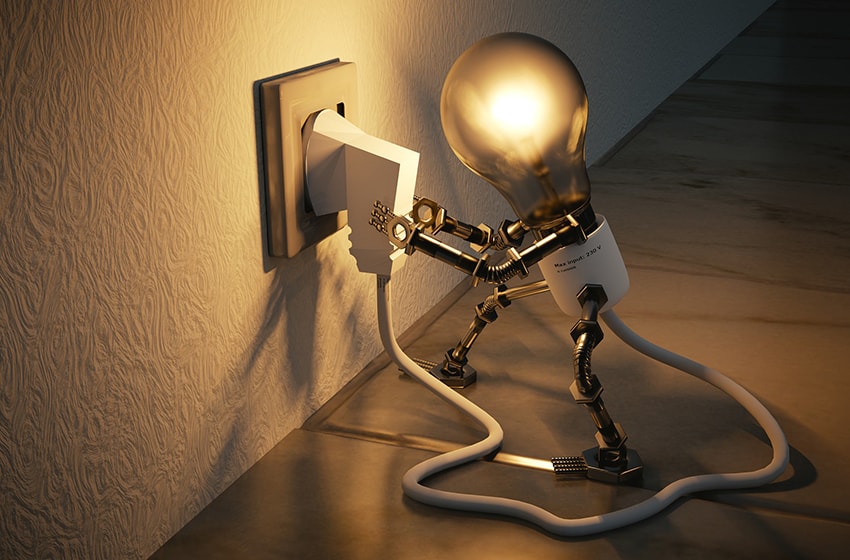
In its latest Ghana Economic Update, the Bank said the Electricity Company of Ghana (ECG) alone could pile up US$9 billion in losses by 2026 if inefficiencies and arrears are not fixed. It also named the Ghana Cocoa Board (Cocobod) as a growing risk, weighed down by billions in pre-export loans.
“Gains in macro stability could unravel if these problems persist,” said Robert Taliercio, the Bank’s Country Director for Ghana, Sierra Leone and Liberia.
Power Sector Pressures
ECG continues to bleed cash due to tariff gaps, unpaid bills, high-cost power contracts, and weak collections. The government is rolling out smart meters, contract renegotiations, and higher petroleum levies to chip away at the debt.
Cocoa Industry Strains
Cocobod owes more than US$3 billion, much of it falling due soon. Low global prices and climate shocks have deepened the strain. To ease pressure, Cocobod is rehabilitating farms, boosting yields, and promoting local cocoa processing.
Government and Bank Response
The Finance Ministry has acknowledged the risks, citing an energy-sector deficit of GH¢11.4 billion in the 2025 budget. Steps include tariff tweaks, better collections, more domestic gas, and private-sector involvement in ECG.
The World Bank is urging faster SOE reforms, transparent reporting, and tighter oversight. It warned that Ghana cannot afford a repeat of other African economies where state enterprise debts triggered sudden fiscal crises.
“SOE debts are a ticking time bomb,” the report concluded.